
数学部门 Mathematics Department
Discover how the Mathematics Department nurtures confident mathematical thinkers, effective problem solvers and independent learners through engaging and authentic learning experiences
数学部门 Mathematics Department
Department Vision
Every student an effective and confident mathematical problem solver and a dynamic independent learner.
Department Mission
To develop students into independent and effective mathematical problem solvers and to nurture in them a spirit of collaboration and continuous learning in a joyful learning environment.
Strategies
1. Concrete-Pictorial-Abstract (CPA) approach
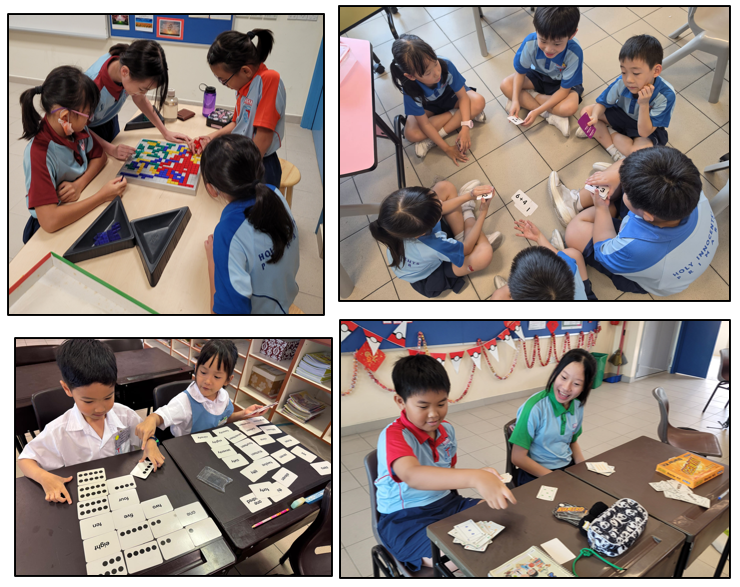
The Concrete-Pictorial-Abstract (CPA) approach is a key Mathematics pedagogy that helps students develop a deep understanding of mathematical concepts by progressing from concrete experiences to pictorial representations and finally to abstract thinking. Through hands-on exploration and learning experiences, purposeful discussions and collaborative learning, students build conceptual understanding, make meaningful connections and develop confidence as independent mathematical problem solvers.
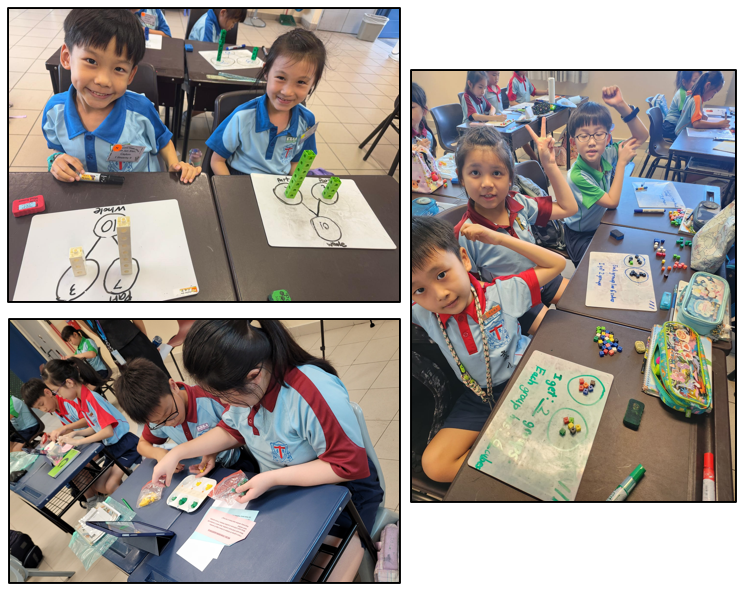
Using cubes to explore number bonds and the concept of grouping
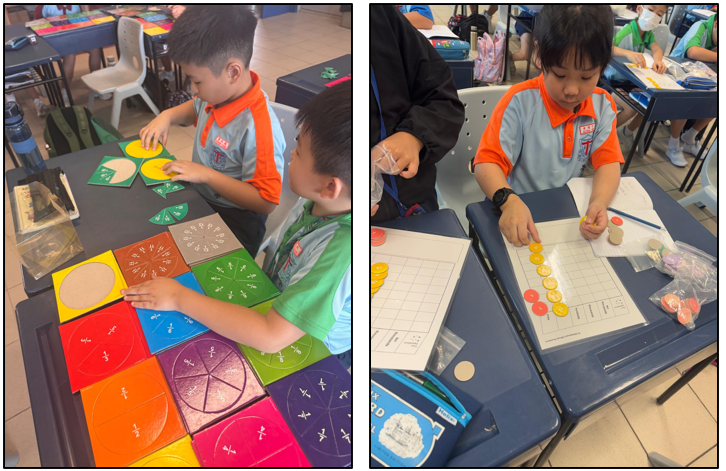
Using number discs and fraction discs to visualise number relationships
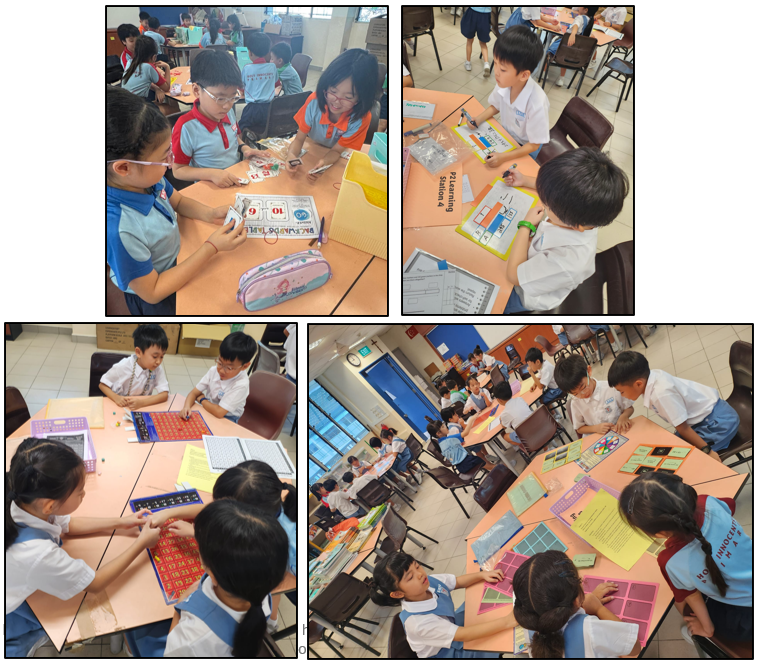
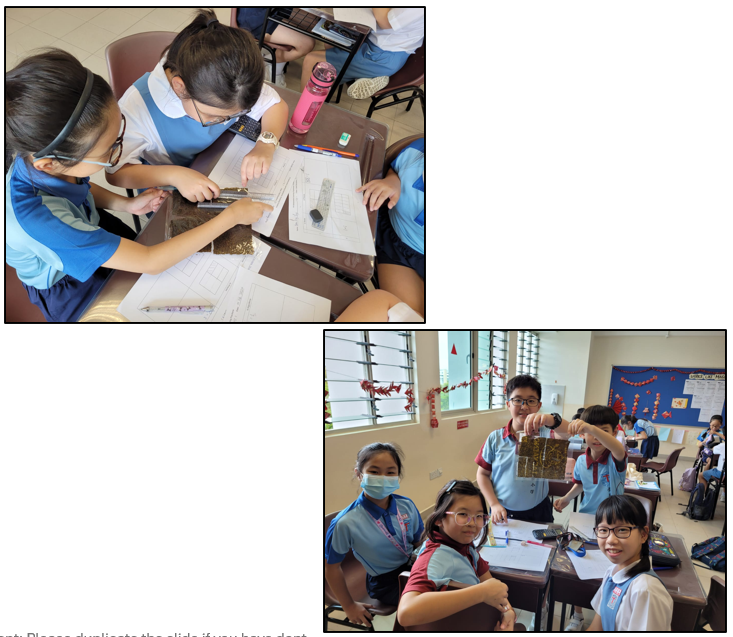
2. Polya’s 4-Step Problem Solving approach
Students are taught Polya's 4-Step Problem Solving approach, a structured method that guides them in effective problem-solving. Through purposeful questioning, rich classroom discourse and visible thinking routines such as Talk Moves, students learn to reason mathematically, articulate their thinking clearly, and build on one another's ideas. These discussions help students clarify their own thinking, justify their reasoning and collaborate effectively in solving increasingly complex problems with confidence. The Process Thinking Skills (PTS) Package further strengthens students' problem-solving abilities by providing a structured approach to applying a range of heuristics.
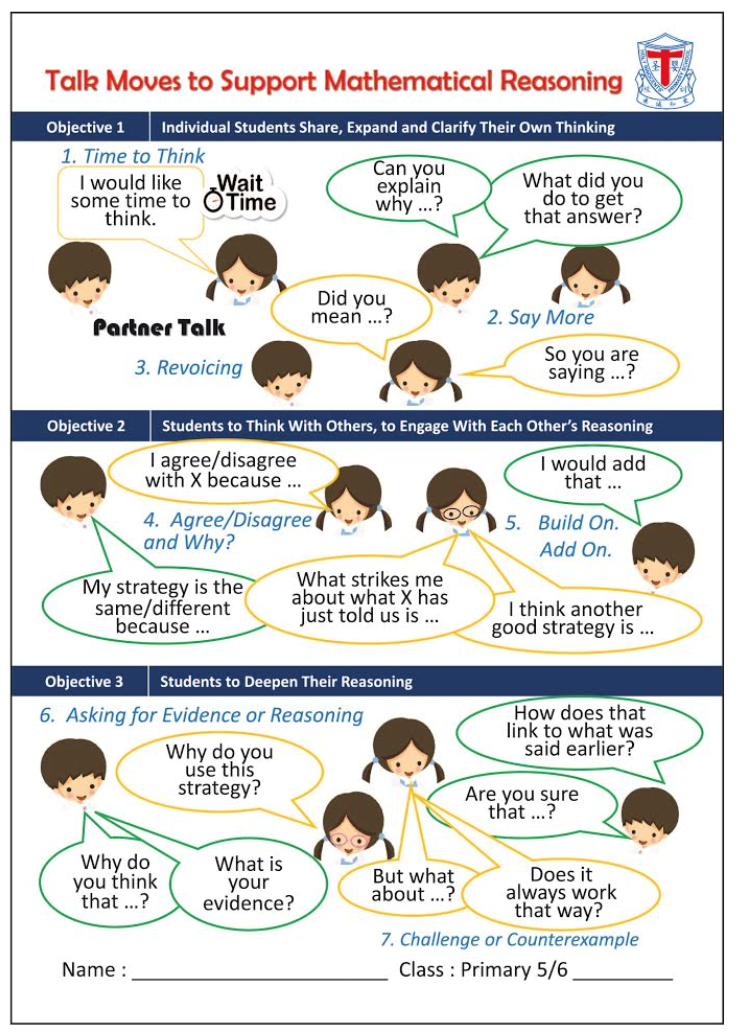
Using Talk Moves to strengthen mathematical reasoning and communication
Highlights of Mathematics programmes & activities
Learning experiences are designed to provide an opportunity for all students to apply mathematical concepts in authentic situations and help them to appreciate the relevance of Mathematics in everyday life.
1. Jumble Sale
The Jumble Sale invites Primary 1 students to apply what they have learnt from the topic of Money. As they make spending decisions within a budget, students develop financial literacy while strengthening their problem-solving, decision-making and mathematical reasoning skills.
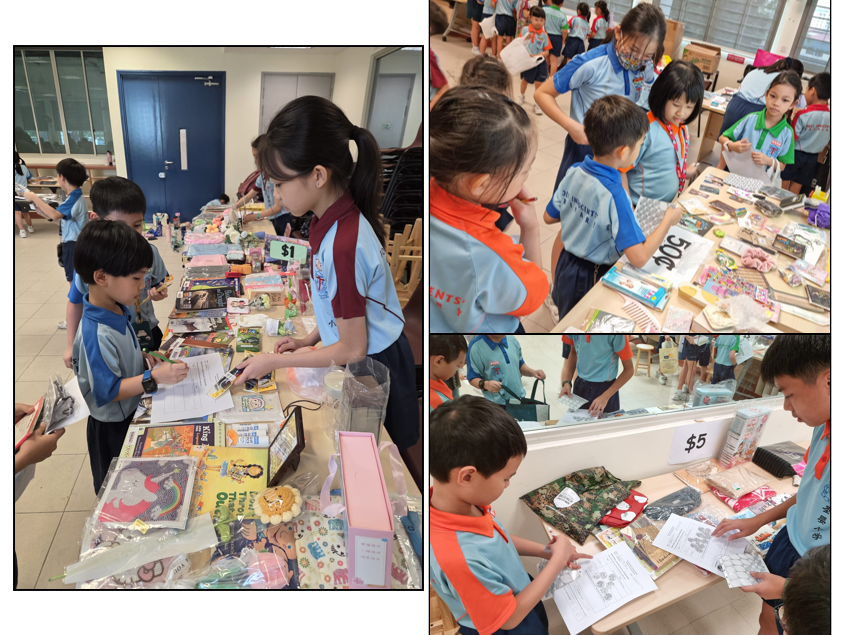
Using sticker money to plan purchases and make spending decisions within a budget
2. Pizza-Making Experience
The Pizza-Making Experience brings Mathematics to life when students explore the origins of pizza and create their own pizza. As students learn how ingredients are measured, explore fractions and calculate cooking times, they discover how Mathematics is applied in everyday life while learning collaboratively.
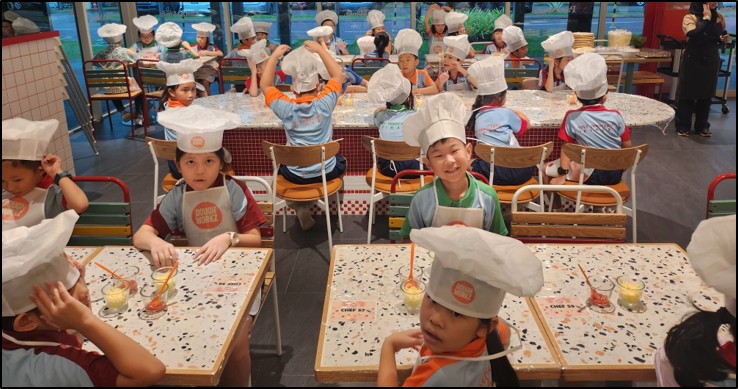
Eagerly waiting to create their pizzas with the ingredients
3. Build It Challenge
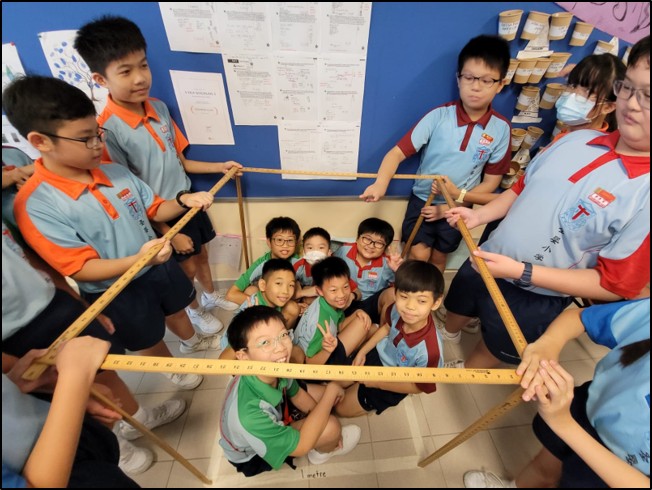
The Build It Challenge provides students with opportunities to apply their understanding of geometry and measurement through authentic design challenges. Working collaboratively to build bridges and towers, students develop creativity, critical thinking and perseverance as they test, evaluate and refine their designs.
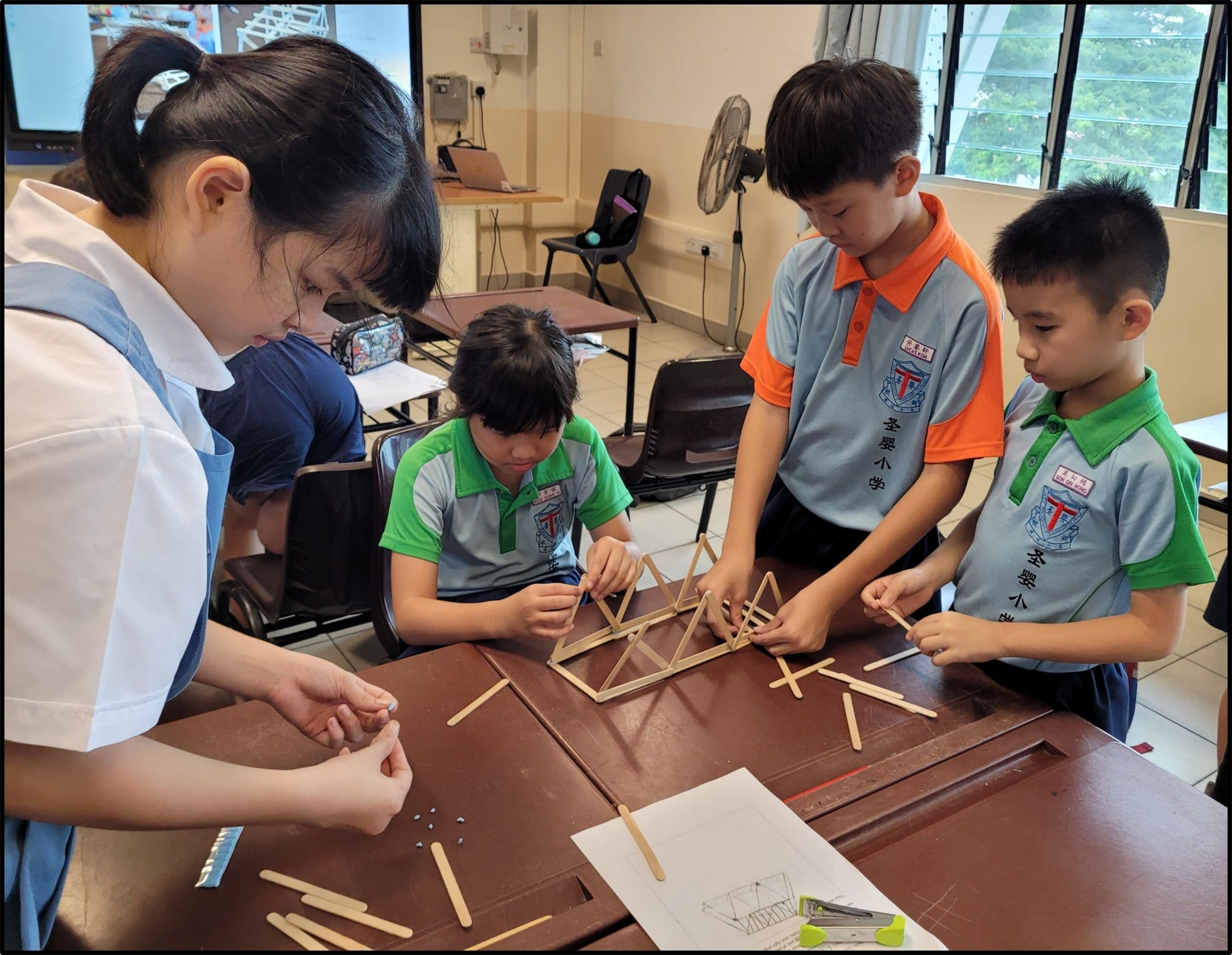
Testing, refining and improving designs through teamwork and mathematical reasoning
4. 3D Game Programming
The 3D Game Programming programme guides students to apply mathematical concepts in an innovative context by designing and programming their own interactive games. As they explore spatial visualisation, geometry and computational thinking, students develop creativity, perseverance and confidence in applying Mathematics to solve challenges beyond the classroom.
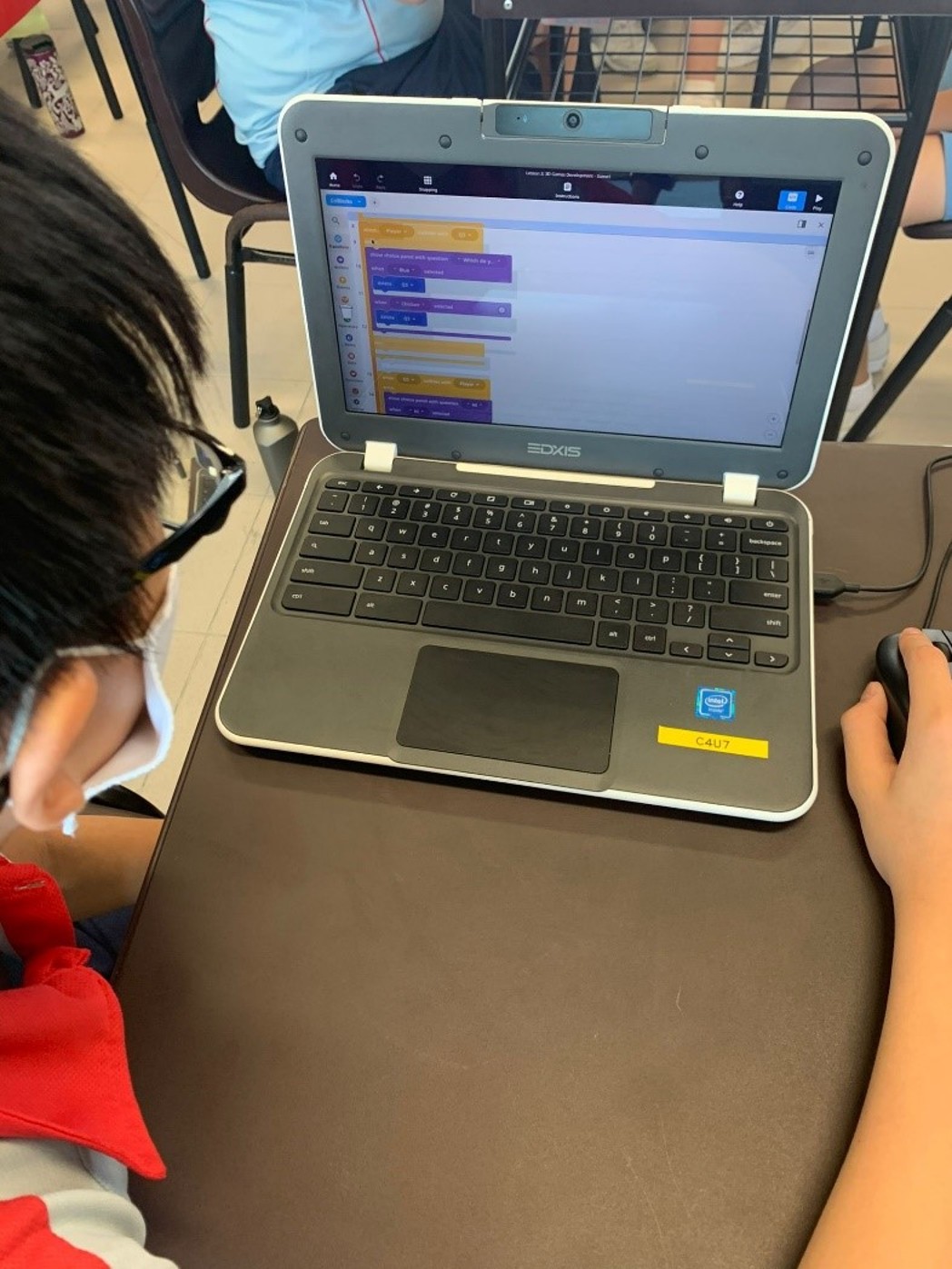
Using coding blocks to create a 3D game